Standard Atmospheric Tanks

Overview

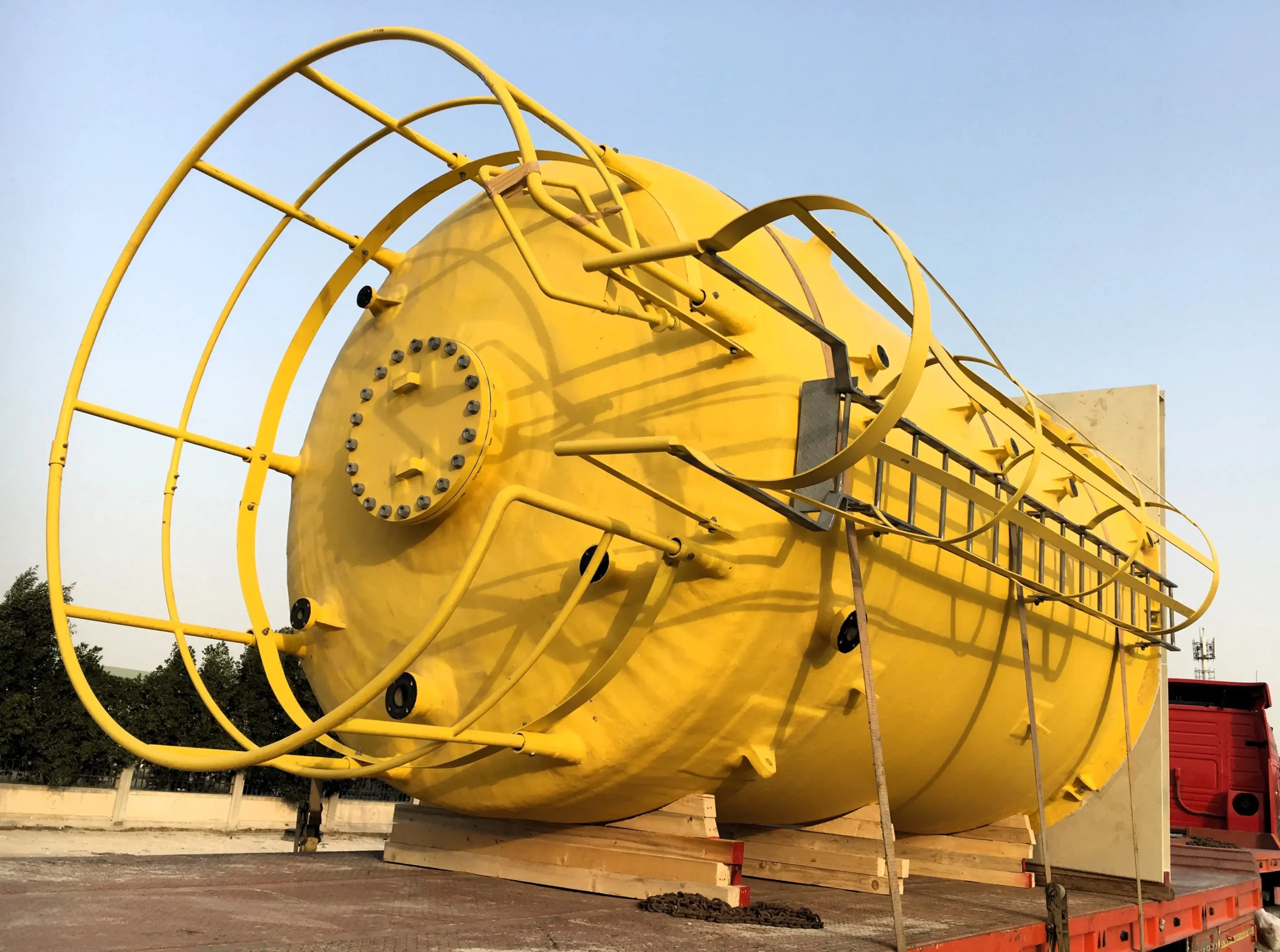
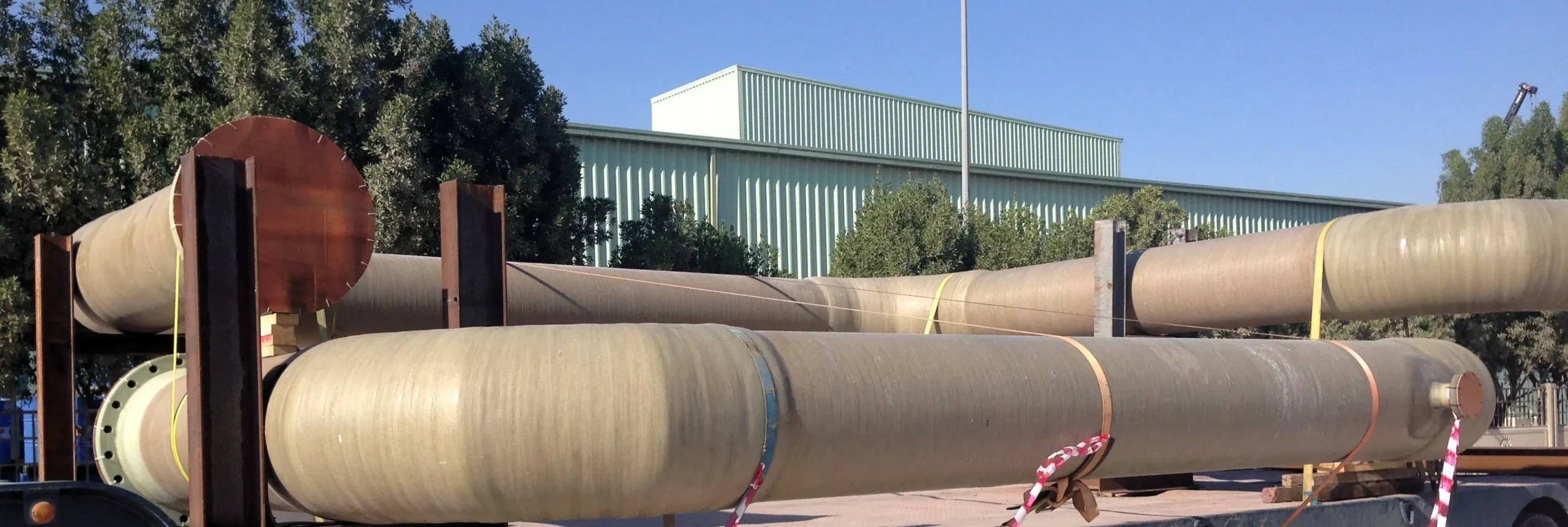
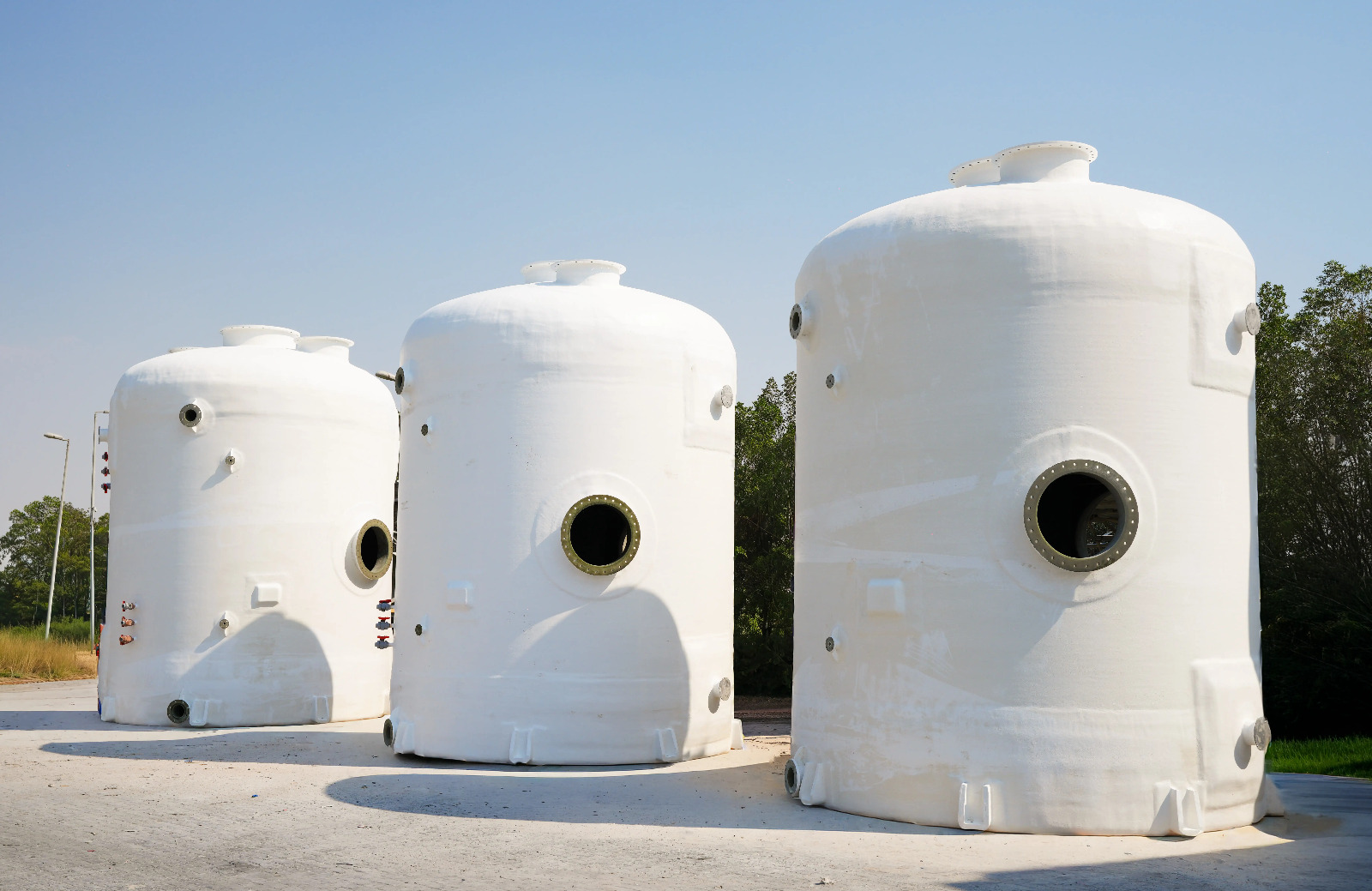
Standard atmospheric composite tanks are designed for water, utility, and general storage applications where corrosion resistance, structural integrity, and long service life are required. Manufactured using filament-wound or panel-molded GRP/GRV composite construction, these tanks provide reliable performance in municipal infrastructure, water treatment plants, and industrial utility systems.

Their lightweight construction, corrosion resistance, and minimal maintenance requirements make them a practical alternative to traditional steel or concrete storage tanks.

Applications

Standard atmospheric tanks are widely used in:
  • Water and utility storage systems
  • Chemical storage in industrial facilities
  • RO / UF / CIP tanks in desalination and water treatment plants
  • Process and service water storage in industrial plants
  • Wastewater treatment facilities
  • Utility storage for power plants and infrastructure projects

Size & Operating Range

  • Capacity: 1 m³ to 150 m³
    (Higher capacity possible with special design considerations)
  • Diameter: 1 m to 4 m
    (Larger diameters available with special design)
  • Design Temperature:
    0°C to +60°C
    (Up to 80°C or 110°C with special resin systems)
  • Design Pressure:
    Atmospheric to low pressure (<1 bar)

Material & Construction

  • Filament-wound or panel-molded Glass Reinforced Plastic (GRP / GRV)
  • Isophthalic or vinyl ester corrosion-resistant internal liner
  • Structural laminate with controlled glass fiber orientation
  • UV-resistant external gelcoat for outdoor service
  • Optional internal thermoplastic liner for severe chemical service
    (UPVC, PE, PP, ECTFE liners)

Key Advantages

  • No corrosion or rust contamination
  • Lightweight construction reduces foundation, handling, and transportation costs
  • Long service life with minimal maintenance
  • Smooth internal surface prevents biofilm buildup